
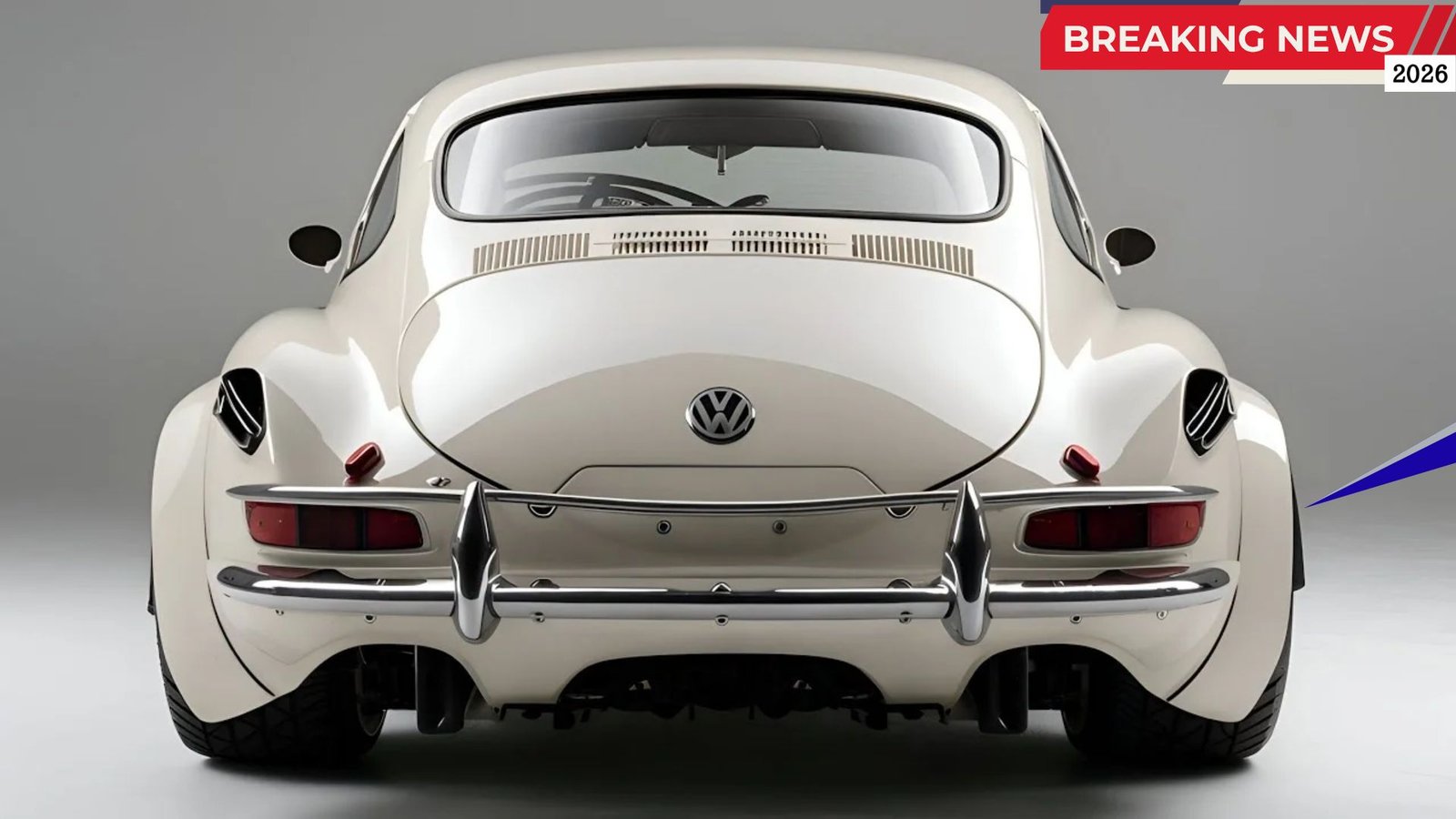
The 2026 Volkswagen Karmann Ghia marks the return of one of the most iconic names in Volkswagen’s history. Known for its elegant styling and reliable engineering, the original Karmann Ghia earned global recognition decades ago. Now, the brand has introduced a modern revival that blends classic inspiration with advanced electric technology and contemporary design elements.
This new model aims to appeal to both long-time fans of the classic coupe and younger buyers looking for a stylish and eco-friendly driving option. With its updated performance, comfortable interior, and safety-focused features, the car represents a fresh approach to combining heritage with innovation.
Retro-Inspired Design With a Modern Touch
One of the most striking highlights of the Volkswagen Karmann Ghia 2026 is its design. The car retains the smooth curves and sporty proportions that made the original version popular, while adding modern styling updates. The front features slim LED headlights and a closed grille layout that gives the vehicle a clean and futuristic appearance.
The long bonnet, rounded roofline, and stylish alloy wheels reflect the retro character of the earlier model. At the rear, sleek LED taillights and a subtle spoiler enhance both the visual appeal and aerodynamic efficiency. Volkswagen has focused on creating a design that feels timeless yet relevant for modern roads.
This careful balance between nostalgia and contemporary styling ensures that the car stands out without appearing overly aggressive or complicated. The overall look is elegant, sporty, and visually distinctive.
Fully Electric Performance for Everyday Driving
Unlike its gasoline-powered predecessor, the 2026 electric coupe is expected to be fully electric. Built on Volkswagen’s advanced electric vehicle platform, the car promises smooth acceleration and quiet operation. Electric motors are designed to deliver instant torque, helping improve responsiveness during city driving and highway cruising.
The estimated driving range of around 400 to 450 kilometres on a single charge makes the car suitable for daily commuting as well as weekend travel. Fast-charging capability allows the battery to reach up to 80 percent charge in approximately 30 minutes, depending on the charging infrastructure used.
These performance improvements highlight Volkswagen’s effort to align the iconic coupe with modern sustainability goals while maintaining practicality for real-world usage.
Premium Interior With Smart Technology Integration
Inside the cabin, the 2026 Volkswagen Karmann Ghia offers a premium and comfortable environment. The interior layout combines classic design cues with advanced digital features. A large digital driver display provides essential driving information, while a centrally positioned touchscreen infotainment system manages navigation, entertainment, and connectivity functions.
Soft-touch materials, high-quality finishes, and customizable ambient lighting enhance the overall sense of luxury. The coupe follows a 2+2 seating layout, allowing space for up to four occupants. While the rear seats are more suitable for short journeys, they add flexibility compared to a strict two-seater sports car.
Modern technology features such as wireless smartphone connectivity, voice control functionality, and over-the-air software updates help make the driving experience more convenient and future-ready. These additions support both comfort and usability during everyday travel.
Advanced Safety Systems and Driver Assistance
Volkswagen has equipped the Volkswagen Karmann Ghia 2026 with a range of safety and driver assistance technologies. These systems are designed to support drivers in various traffic conditions while helping reduce the risk of accidents.
Key safety features include adaptive cruise control, lane-keeping assist, automatic emergency braking, and blind-spot monitoring. A 360-degree camera system helps drivers manage parking in tight spaces and improves visibility around the vehicle.
The electric platform structure and advanced airbag system contribute to occupant protection. Together, these safety elements ensure that the stylish coupe remains practical and secure for everyday usage.
Expected Price Range and Global Availability Timeline
The 2026 Volkswagen Karmann Ghia is expected to launch in selected global markets by the end of 2026. Although official pricing details have not been confirmed, industry estimates suggest a starting price between $35,000 and $45,000. The final cost may vary depending on battery size, trim level, and additional features.
Volkswagen appears to be targeting a wide audience with this model. Classic car enthusiasts may be attracted by the revival of a historic name, while younger buyers could be drawn to its electric performance and contemporary styling. The strategy indicates an attempt to position the Karmann Ghia as both a lifestyle vehicle and a practical urban coupe.
Below is a summary of key expected specifications and highlights:
| Category | Details |
|---|---|
| Powertrain | Fully electric |
| Estimated Range | 400–450 km per charge |
| Charging Time | Up to 80% in around 30 minutes |
| Seating Layout | 2+2 coupe configuration |
| Safety Features | Adaptive cruise control, lane assist, emergency braking |
| Expected Price | $35,000 – $45,000 |
| Launch Timeline | Late 2026 (selected markets) |
Conclusion
The introduction of the 2026 Volkswagen Karmann Ghia represents a significant step in Volkswagen’s effort to revive classic automotive icons in an electric era. By combining retro-inspired styling with modern technology, improved safety, and eco-friendly performance, the company aims to deliver a vehicle that meets current consumer expectations while preserving a sense of heritage.
This development matters because it highlights the growing trend of transforming well-known legacy models into sustainable electric vehicles. Buyers interested in stylish design, practical range, and updated features may find the new Karmann Ghia an appealing option when it arrives in global markets.
Overall, the Volkswagen Karmann Ghia 2026 showcases how automotive brands are adapting to changing mobility needs while maintaining emotional connections with their past designs.