
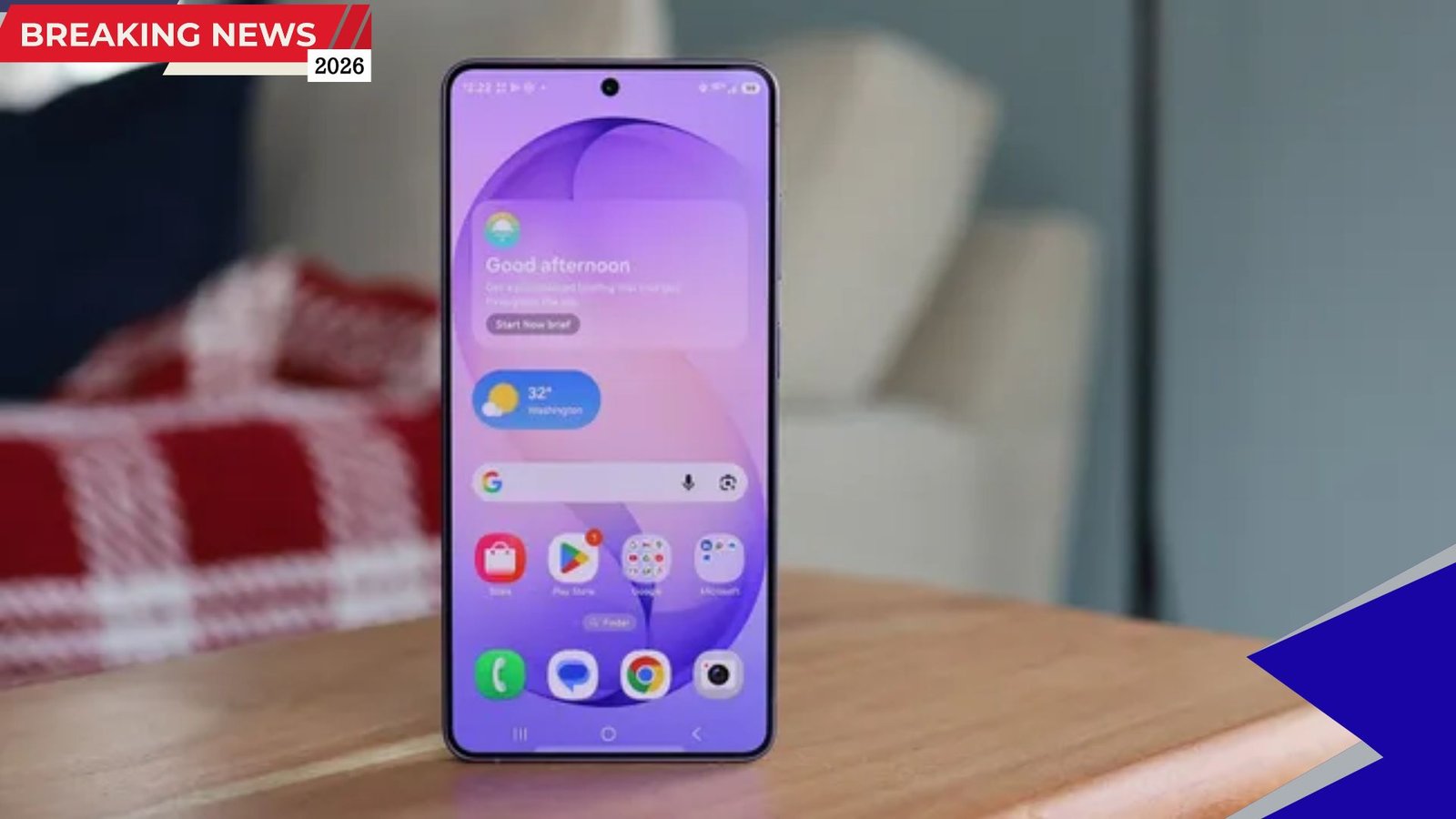
Samsung’s latest flagship smartphone is drawing attention for both its innovation and unexpected user feedback. Reports have emerged that some owners of the Galaxy S26 Ultra are experiencing discomfort linked to a new feature called the Privacy Display, which is designed to improve screen privacy in public spaces.
While the device has generally received positive reviews, the growing number of complaints highlights how new display technologies can affect users differently.
What the Privacy Display Feature Does
The Privacy Display is one of the standout additions introduced with the Galaxy S26 Ultra. The feature works by controlling how light is emitted from individual pixels on the screen. This limits visibility from side angles, making it harder for people nearby to view what is being displayed.
Users can enable or disable the feature through the phone’s settings menu. The aim is to offer greater privacy when using the smartphone in crowded environments such as public transport, offices, or cafes.
Despite the intended benefits, several users have said the experience is not always comfortable.
Users Report Eye Strain and Motion Discomfort
Some early adopters have taken to online forums and social media platforms to share their experiences with the Privacy Display. A number of posts describe symptoms such as eye strain, screen fuzziness, and even nausea during extended use.
One user on a discussion forum said the new display was “making me nauseous,” prompting them to return the device. Others mentioned that their eyes felt tired or uncomfortable after looking at the screen for longer periods.
Technology publications monitoring the feedback have also highlighted these concerns, suggesting the issue may be related to how the display technology modifies light output.
Mixed Experiences Among Galaxy S26 Ultra Owners
Not all Galaxy S26 Ultra users are reporting problems. Some owners say they have experienced no discomfort at all, even with the Privacy Display feature enabled. Reviews of the device have also indicated that the phone performs well overall and delivers a strong flagship experience.
This mixed feedback suggests that the impact of the new display technology may vary depending on individual sensitivity or usage patterns. As of now, it remains unclear how widespread the issue is.
Debate Over Possible Screen Quality Trade-Offs
In addition to complaints about discomfort, some users have questioned whether the introduction of Privacy Display has affected overall screen quality. Reports on online forums claim the display can appear slightly less sharp or bright compared to previous models.
Interestingly, some of these comments have come from users who kept the Privacy Display turned off, which is the default setting. This has led to speculation that certain compromises may have been made in the screen design to accommodate the privacy feature.
Samsung has not provided detailed technical explanations about the internal workings of the feature, though it has confirmed that the technology limits viewing angles to enhance confidentiality.
Similar Reactions Seen With Past Display Changes
The situation is not entirely unique in the smartphone industry. In previous years, new display technologies and software visual changes have also prompted complaints from some users. For example, eye strain concerns were raised after major interface updates on competing platforms, although such reactions often decreased over time as users adapted.
The current discussion around the Galaxy S26 Ultra highlights how innovation can bring both benefits and challenges, particularly when new features alter the visual experience.
Ongoing Discussion in the Tech Community
Prominent technology commentators and tipsters have also joined the conversation. Some have shared their own impressions online, describing mild discomfort or fatigue when using the device’s screen.
At the same time, other voices in the community have emphasised that many users remain satisfied with the smartphone’s performance and overall design. The broader reaction indicates that opinions are still forming as more people spend time with the device.
Conclusion: Feature Innovation Meets Varied User Response
The introduction of the Privacy Display on the Galaxy S26 Ultra reflects Samsung’s efforts to bring new functionality to its flagship smartphones. However, early feedback suggests that the feature may cause eye strain or motion discomfort for certain users, while others report no issues at all.
As the device reaches more customers, the true scale of the problem — if any — will become clearer. For readers and potential buyers, the key takeaway is that new display technologies can deliver added benefits such as improved privacy but may also lead to mixed experiences depending on individual preferences and sensitivity.