
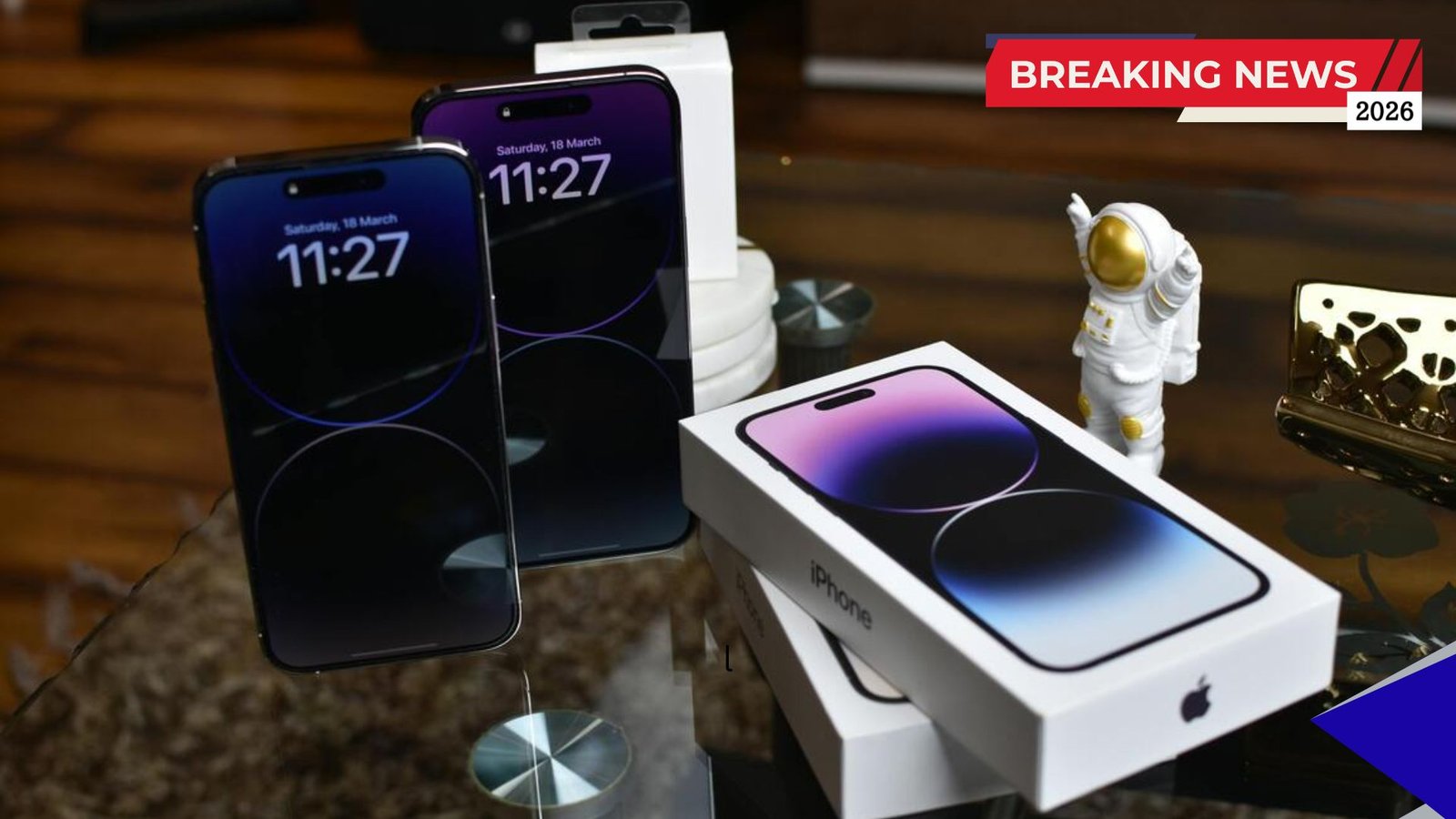
Apple has reported strong growth in China’s smartphone market at the beginning of 2026, even as overall industry sales declined. The company’s performance has been supported by pricing stability, targeted discounts, and its ability to manage rising component costs more effectively than competitors.
According to data from research firm Counterpoint, Apple China sales growth reached 23 percent in the first nine weeks of 2026. In comparison, the broader Chinese smartphone market recorded a decline of 4 percent during the same period.
Market Decline Continues Despite Government Support
China’s smartphone market has been facing weak consumer demand, and this trend has continued into early 2026. Government subsidies introduced earlier in the year were expected to stimulate sales, but they have not significantly improved market conditions.
Despite these efforts, consumer spending on smartphones remains cautious. The overall decline in sales reflects ongoing economic pressures and changing buying patterns among Chinese consumers.
In this environment, Apple’s growth stands out as an exception rather than a reflection of broader market recovery.
Pricing Strategy Helps Apple Stand Out
One of the main factors behind Apple China sales growth is the company’s pricing approach. While component costs—especially memory chips—have increased, Apple has chosen not to pass these costs on to consumers.
Instead, the company has absorbed part of the cost pressure within its margins. This strategy has allowed Apple to maintain stable pricing at a time when competitors are raising prices.
Analysts believe this approach has helped Apple attract more buyers and potentially expand its market share in China.
Discounts and Subsidy Inclusion Boost Sales
Apple’s sales performance has also been supported by promotional activity and policy benefits. The company has offered discounts through e-commerce platforms, making its devices more accessible to buyers.
In addition, the base iPhone 17 model has been included in state-backed subsidy programmes. This has further reduced the effective purchase price for consumers, contributing to higher sales volumes.
These combined factors have played a key role in strengthening Apple’s position in a challenging market.
Rivals Increase Prices Due to Rising Costs
While Apple has maintained pricing stability, several Chinese smartphone manufacturers have taken a different approach. Brands such as OPPO and vivo have started increasing prices on some of their existing models.
These price hikes are partly driven by rising component costs, particularly for memory chips. Companies are also using these adjustments to test consumer response ahead of upcoming product launches.
This shift in pricing strategy among competitors may create additional opportunities for Apple to attract price-sensitive buyers.
Huawei’s Position in the Market
Huawei is expected to follow a different path compared to other Android manufacturers. The company’s reliance on domestic suppliers, which are generally more cost-effective, may provide it with a competitive advantage.
This advantage is particularly relevant in the lower- and mid-range smartphone segments, where pricing plays a critical role in purchasing decisions.
As a result, Huawei may be better positioned to manage cost pressures without significantly increasing prices.
Key Market Trends at a Glance
| Factor | Current Trend |
|---|---|
| Apple Sales | Up 23% in early 2026 |
| Overall Market | Down 4% |
| Consumer Demand | Weak despite subsidies |
| Competitor Pricing | Increasing |
| Chip Costs | Rising through 2026 |
These trends highlight the contrasting strategies being adopted by different manufacturers in response to market challenges.
Outlook for China Smartphone Market
Counterpoint expects China’s smartphone market to remain under pressure in the coming months. However, there may be some improvement around June during the annual “618” shopping festival, which typically sees increased promotional activity.
The “618” event is one of China’s biggest online shopping periods and often drives a temporary boost in sales across multiple categories, including smartphones.
Rising Chip Costs to Shape Industry Strategy
The increase in memory chip prices is expected to continue throughout 2026. This trend is likely to influence how smartphone manufacturers balance pricing, profit margins, and shipment volumes.
Companies will need to carefully manage these factors to remain competitive while maintaining financial stability. Some may continue to raise prices, while others may absorb costs to protect market share.
Conclusion
Apple’s strong performance in China at the start of 2026 highlights how pricing strategy and supply chain strength can influence market outcomes. While the overall smartphone market continues to face weak demand, Apple has managed to grow its sales by maintaining stable pricing and leveraging promotions and subsidies.
At the same time, rising chip costs are forcing competitors to increase prices, creating a contrasting approach within the industry. As market conditions remain uncertain, the coming months will show how different strategies impact sales and market share in one of the world’s largest smartphone markets.