
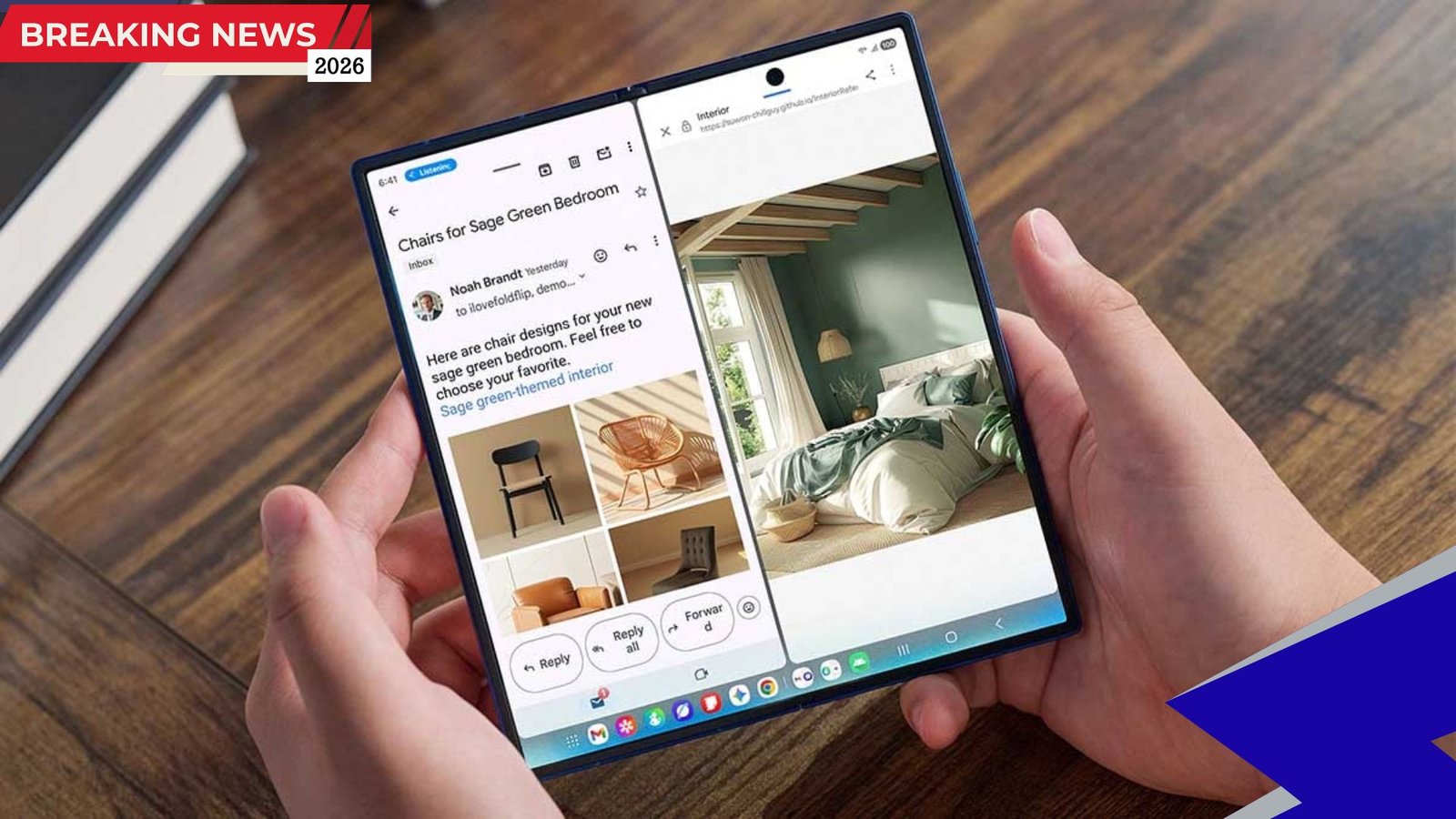
Apple is reportedly preparing to increase production of its first foldable iPhone while also considering a lower launch price than previously expected. According to recent reports, the company may introduce its foldable smartphone at around $2,000, a move that could significantly impact competition in the premium foldable market.
This development could place pressure on Samsung, which has been a dominant player in foldable smartphones for several years. If Apple successfully enters the segment with competitive pricing and strong demand, Samsung may need to adjust its pricing strategy and product roadmap to maintain its leadership position.
Production Plans for iPhone Fold May Rise Sharply
Reports suggest that Apple is planning to increase initial production volumes of its foldable iPhone by roughly 20 percent compared to earlier expectations. This adjustment indicates growing confidence in consumer demand for foldable devices and Apple’s readiness to scale up manufacturing.
Industry estimates mentioned in the report indicate that shipments could surpass 8 million units and potentially reach as high as 15 million units. Such production targets would signal Apple’s serious commitment to entering the foldable smartphone category at scale.
Initially, the foldable iPhone was expected to launch at a price close to $2,400. However, new information indicates that Apple may now be considering reducing the price to approximately $2,000. This figure would place the device in direct competition with flagship foldables such as Samsung’s premium models.
Expected iPhone Fold Production and Pricing Details
| Parameter | Expected Figures |
|---|---|
| Production Increase | Around 20% higher than earlier plans |
| Estimated Shipments | 8 million to 15 million units |
| Previous Expected Price | About $2,400 |
| New Expected Price | Around $2,000 |
Pricing Pressure Builds for Samsung Foldables
The potential pricing shift from Apple could create challenges for Samsung, especially as the company evaluates its future foldable pricing approach. Samsung has built a strong presence in the foldable segment over the past six years, becoming one of the most recognized brands in this category.
If Apple launches a foldable device at a price similar to existing premium foldables, Samsung may face increased competition in attracting high-end buyers. The company would need to decide whether to maintain current pricing levels or adjust prices in response to changing market dynamics.
During the recent Galaxy S26 Unpacked event, Samsung Mobile Business head TM Roh reportedly discussed efforts to manage cost pressures. These efforts include long-term contracts with component suppliers and improvements in hardware efficiency aimed at controlling manufacturing expenses.
Such measures could help Samsung remain competitive without significantly increasing retail prices. The company’s strategy may depend on how the broader foldable market evolves once Apple officially introduces its device.
Component Sourcing Changes May Influence Costs
Industry sources cited in the report suggest that Samsung has started sourcing certain specialized foldable components from China. Previously, these parts were mainly supplied by manufacturers in Korea.
This shift in supply chain strategy could potentially reduce production costs if component prices become more affordable. Lower component costs might help Samsung offset challenges such as memory shortages, which can otherwise drive up smartphone pricing.
By diversifying its sourcing network, Samsung may be positioning itself to respond more flexibly to future competition. Cost management has become increasingly important in the smartphone industry, where manufacturers must balance innovation with pricing expectations.
New Foldable Form Factors Under Development
Reports also indicate that Apple’s first foldable iPhone could adopt a design similar to earlier foldable devices with a wider outer display format. This type of form factor allows users to interact with the device comfortably when folded while still benefiting from a larger internal screen when opened.
Samsung is reportedly experimenting with a comparable design approach for a device currently referred to as the Galaxy Wide Fold. This model could potentially launch alongside the next generation of foldable smartphones, including upcoming Flip and Fold devices.
The exploration of different foldable designs highlights how manufacturers continue to refine usability and durability. By introducing varied form factors, brands aim to address user preferences and expand the appeal of foldable technology.
Expected Upcoming Samsung Foldable and Wearable Products
| Product Category | Reported Developments |
|---|---|
| Foldable Smartphones | Three models under development |
| New Form Factor | Galaxy Wide Fold concept |
| Smartwatches | Galaxy Watch 9 and Watch Ultra 2 |
| Connectivity Feature | Possible 5G support for Watch Ultra 2 |
Foldable Market Competition Likely to Intensify
The possibility of Apple entering the foldable smartphone segment at a competitive price point could reshape market dynamics. Samsung has long benefited from being an early mover in foldable technology, gaining valuable experience in design, manufacturing, and ecosystem development.
However, increased competition from major brands often leads to faster innovation cycles and more aggressive pricing strategies. Companies may need to introduce new features, optimize costs, and expand product portfolios to maintain market share.
The reported increase in production targets for Apple’s foldable device suggests that the company expects meaningful consumer interest. If these expectations are realized, the foldable smartphone market could see stronger growth and heightened rivalry among leading manufacturers.
Conclusion
Reports about Apple’s potential $2,000 foldable iPhone highlight a significant development in the premium smartphone industry. Higher production plans and a lower-than-expected price could make Apple a strong competitor in the foldable segment, where Samsung has maintained leadership for several years.
Samsung’s response may involve pricing adjustments, cost management strategies, and the introduction of new foldable designs such as the Galaxy Wide Fold. The company is also reportedly preparing additional devices, including new foldable smartphones and smartwatches, as part of its broader product roadmap.
For readers and technology observers, the key takeaway is that competition in the foldable smartphone market is likely to intensify. As more brands enter the segment and refine their offerings, consumers may benefit from increased choice, innovation, and potentially more competitive pricing in the future.