
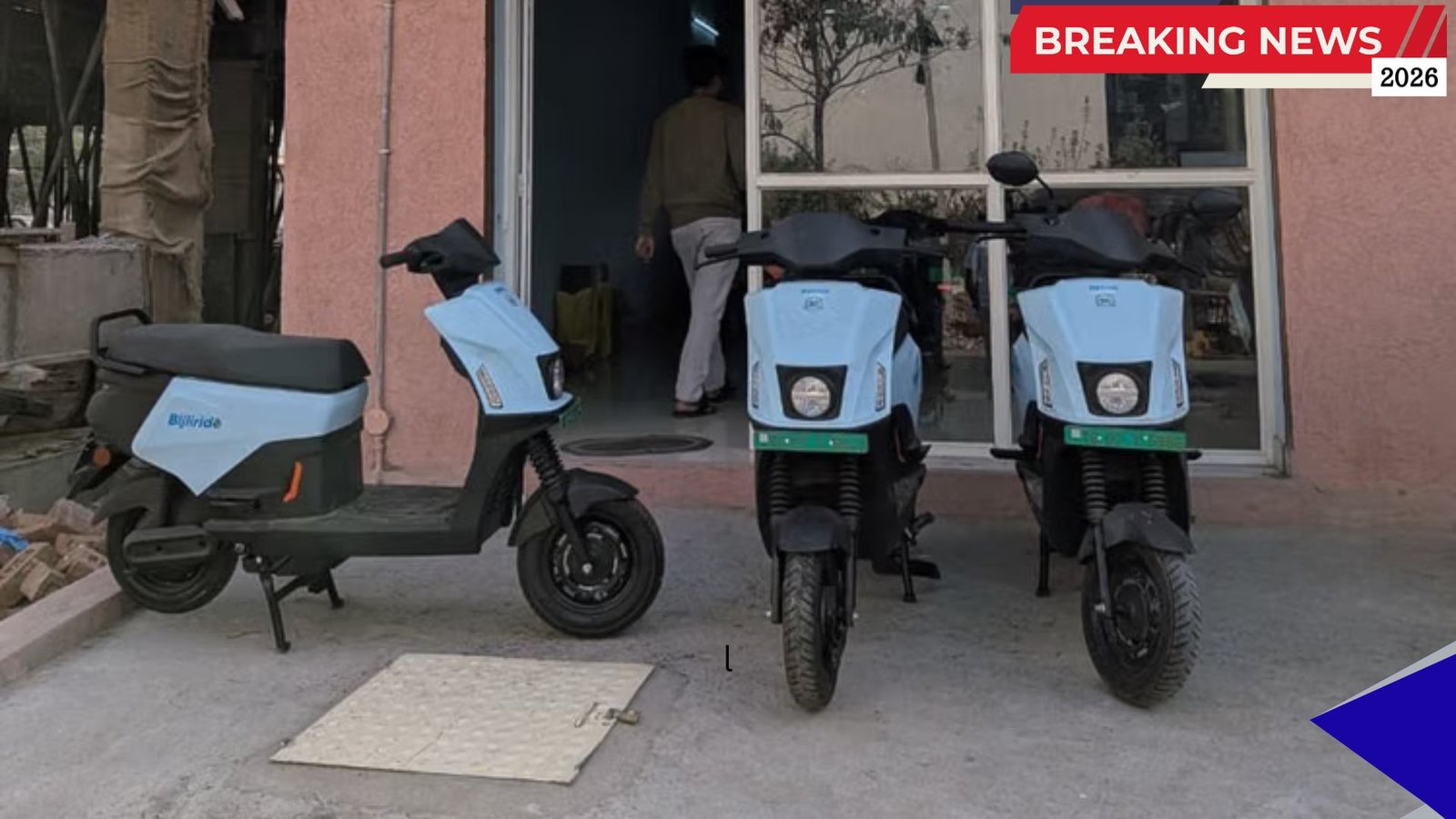
Electric two-wheeler rental platform Bijliride has announced an ambitious plan to expand its franchise network to more than 25 cities across India. The company aims to significantly scale its fleet operations over the next 12 to 18 months by adopting a franchise-driven growth model focused on gig workers and last-mile delivery operators.
This move represents one of the startup’s most important expansion efforts since its establishment in 2020. With increasing demand for affordable electric mobility solutions, Bijliride is positioning itself to strengthen its presence in key urban markets.
Fleet Growth Target and Franchise Onboarding Plans
As part of its expansion strategy, Bijliride plans to onboard up to 30 franchise partners by March 2027. The company intends to grow its fleet from the current 4,000 electric two-wheelers to between 10,000 and 15,000 vehicles during the same period.
The startup has already begun executing its plans, onboarding six new franchise partners in Hyderabad during the initial phase. The company is also evaluating surrounding urban clusters in the region for further operational expansion.
This scale-up initiative is expected to increase the company’s operational footprint by approximately 150%, allowing it to cater to growing mobility needs in logistics, delivery services, and urban commuting.
Franchise-Owned–Franchise-Operated (FOFO) Model Explained
The expansion will be carried out using a Franchise Owned–Franchise Operated (FOFO) model. Under this structure, local entrepreneurs will own and manage the fleet of electric two-wheelers, while Bijliride will provide centralised technological support and operational frameworks.
The company’s platform includes several digital tools designed to maintain consistency across different cities. These include real-time vehicle tracking systems, fleet performance analytics, rental management platforms, battery management protocols, and standardised servicing procedures.
By offering these resources, Bijliride aims to help franchise partners operate efficiently without needing to build independent technology infrastructure or supply chain systems.
Cities Identified for Expansion
Bijliride has identified multiple cities across various regions of India for potential expansion. The shortlisted markets include major metropolitan areas as well as emerging urban centres where demand for electric mobility solutions is growing.
Some of the cities under evaluation include:
- Chennai
- Bengaluru
- Mumbai
- Delhi NCR
- Jaipur
- Kolkata
- Ahmedabad
- Surat
- Kochi
- Nagpur
- Lucknow
- Bhopal
- Indore
- Patna
- Bhubaneswar
- Ranchi
- Goa
- Pondicherry
- Mysore
- Warangal
The company stated that these locations were selected based on measurable demand indicators such as logistics activity, gig economy participation, and the need for alternatives to fuel-based transportation.
Investment Requirements and Revenue Potential for Franchise Partners
According to Bijliride, a standard entry-level franchise typically operates around 50 electric two-wheelers. The estimated investment required for such a setup ranges between ₹14 lakh and ₹16 lakh, depending on vehicle specifications and local market conditions.
The company projects that franchise operators can achieve break-even within 12 to 15 months under stable utilisation levels. Recurring revenue is expected to come from vehicle rental income as well as enterprise mobility partnerships.
This structure is being presented as an entrepreneurship opportunity for individuals interested in entering the electric mobility sector without developing proprietary technology or operational systems from scratch.
Operational Support and Demand Generation Assistance
Beyond providing vehicles and platform access, Bijliride also offers operational support to franchise partners. This includes assistance with driver onboarding, local demand generation, and marketing initiatives.
The company acts as an intermediary connecting franchise fleets with demand sources such as gig platforms, logistics firms, and local delivery businesses. This role is particularly important during the early stages of a franchise’s operations, when maintaining high vehicle utilisation rates can be challenging.
By facilitating these partnerships, Bijliride aims to ensure that franchise operators can sustain consistent revenue streams while meeting growing demand for electric mobility solutions.
Asset-Light Growth Strategy and Industry Context
The FOFO model allows Bijliride to expand geographically while limiting its own capital exposure. This approach mirrors strategies used in industries such as food service and retail franchising and is increasingly being adopted by mobility and logistics startups.
The company’s announcement comes at a time when India’s electric two-wheeler segment is witnessing heightened activity from both established manufacturers and new entrants. Rising fuel costs, government incentives under schemes like FAME and various state-level EV policies, and the rapid expansion of app-based delivery platforms have contributed to increasing demand for low-emission transport solutions.
Electric two-wheeler registrations in India have shown steady growth over the past three years. Fleet operators and rental platforms have emerged as a significant demand segment alongside individual consumers.
Platform Features Focused on Fleet Efficiency
Unlike consumer-focused EV brands, Bijliride primarily serves franchise operators and enterprise clients. Its business model sits at the intersection of fleet management services and digital mobility platforms.
Key operational features include 24/7 battery swapping services and on-road assistance. These services are designed to minimise downtime for riders who rely on their vehicles for daily income, particularly gig workers and last-mile delivery personnel.
Such offerings aim to improve operational efficiency and make electric mobility more practical for commercial use cases.
Company Background and Long-Term Vision
Founded in 2020 and headquartered in New Delhi, Bijliride currently operates more than 4,000 electric two-wheelers across major Indian cities. The company has outlined long-term goals focused on scaling its user base and expanding access to electric mobility.
According to its public communications, the startup aims to enable one million users on its platform by 2030. The current franchise expansion plan represents a key step toward achieving that objective.
Conclusion
Bijliride’s plan to expand its franchise network across more than 25 cities highlights the growing role of fleet-based electric mobility solutions in India. By targeting gig workers and delivery operators, the company is focusing on segments where demand for affordable and reliable transportation is rising.
The proposed increase in fleet size, franchise onboarding targets, and operational support systems indicate a structured approach to scaling. As electric two-wheeler adoption continues to grow nationwide, Bijliride’s franchise-led strategy could play an important role in strengthening EV availability in both large metros and emerging urban markets.