
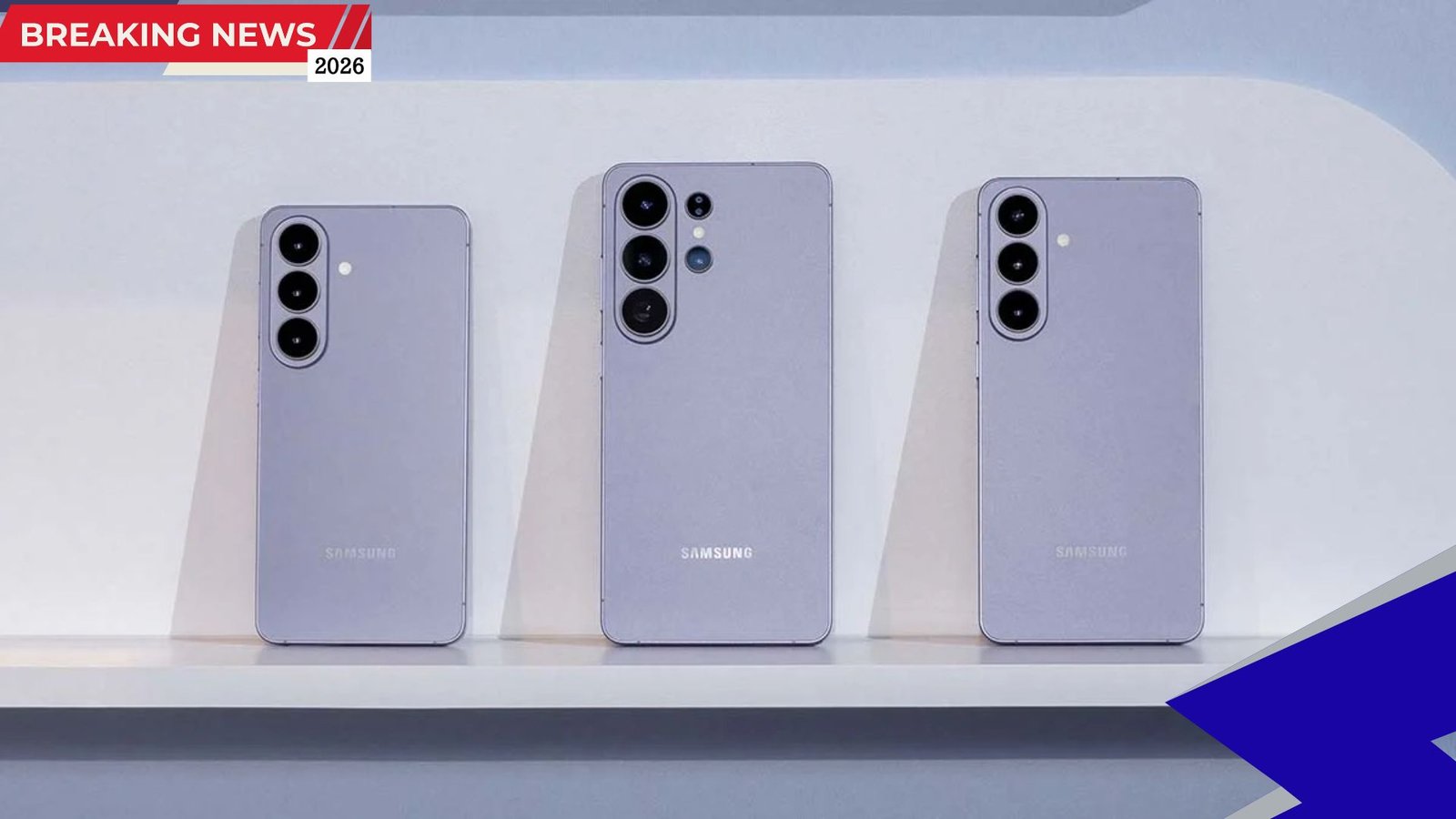
Samsung could be preparing a major shift in its flagship smartphone strategy with the upcoming Galaxy S27 series. Reports suggest that the company may significantly increase the use of its in-house Exynos processors, potentially reducing its reliance on Qualcomm’s Snapdragon chipsets.
Over the past few years, Samsung’s spending on external processors has grown sharply. As flagship devices demanded higher performance and advanced capabilities, the company relied heavily on Snapdragon chips. Now, a stronger push toward Exynos could help Samsung manage costs while strengthening its semiconductor business.
Rising Processor Costs Highlight Need for Strategy Change
Samsung has reportedly spent a substantial amount on purchasing Snapdragon processors for its smartphones. Financial figures cited in recent reports indicate that the company spent nearly 14 trillion won on Qualcomm chips last year.
Out of this total, approximately 13.8 trillion won was allocated specifically to application processors. This represented a year-on-year increase of about 26.5 percent compared to the previous period. The rising expenditure reflects growing component costs as smartphone hardware continues to evolve.
Such spending has likely prompted Samsung to explore ways to reduce dependency on external suppliers. Increasing the use of internal chip solutions could help the company control manufacturing expenses more effectively in future flagship launches.
Samsung Chip Spending Overview
| Category | Reported Amount |
|---|---|
| Total Spending on Qualcomm Chips | Nearly 14 trillion won |
| Application Processor Spending | Around 13.8 trillion won |
| Yearly Increase | Approximately 26.5% |
Galaxy S27 Series May Expand Exynos Adoption
According to industry sources, Samsung is planning to push Exynos utilization more aggressively in the Galaxy S27 lineup expected next year. The base model and the Plus variant are likely to feature Exynos processors in a larger number of markets.
However, the Ultra version may continue to rely on Snapdragon chips due to its positioning as the top-tier performance-focused device. This mixed approach would allow Samsung to reduce procurement costs while maintaining high-end performance standards where required.
If implemented successfully, broader Exynos adoption could reduce Samsung’s processor bill significantly. It may also strengthen the role of the company’s semiconductor division in shaping mobile product development.
Exynos Reputation Remains a Key Factor
Despite potential cost advantages, Exynos processors have faced criticism in previous smartphone generations. Concerns about performance consistency and energy efficiency compared to Snapdragon chips have influenced consumer perception.
Samsung’s challenge will be to demonstrate meaningful improvements over multiple device cycles. Reports suggest that the Exynos 2600 processor used in the Galaxy S26 series has received relatively positive early feedback. However, industry observers note that one successful generation may not be enough to fully rebuild user trust.
The Galaxy S27 could therefore become an important milestone in Samsung’s efforts to prove that its in-house chipsets can compete strongly in the flagship segment.
Expected Processor Strategy in Galaxy S27 Lineup
| Model Variant | Likely Processor Choice |
|---|---|
| Galaxy S27 | Increased use of Exynos |
| Galaxy S27 Plus | Increased use of Exynos |
| Galaxy S27 Ultra | Likely Snapdragon |
Galaxy S26 Performance Seen as Foundation for Future Plans
Samsung’s current flagship generation is expected to play a key role in shaping the processor strategy for upcoming devices. If real-world performance of the Exynos 2600 continues to meet expectations, the company may gain confidence in expanding internal chip usage.
At the same time, maintaining competitive performance in premium models remains essential. Samsung may continue using Snapdragon processors in select markets or specific variants to ensure consistent user experience.
Balancing performance requirements with cost management is likely to remain a central focus. The decision to increase Exynos deployment may also reflect broader industry trends, where smartphone manufacturers are investing more in proprietary silicon development.
Semiconductor Division Could Gain Greater Influence
Increasing the role of Exynos processors in flagship smartphones could help Samsung strengthen its semiconductor division. The company is already a major player in memory chip production and advanced fabrication technologies.
Expanding in-house processor usage would allow Samsung to leverage its manufacturing expertise more directly in mobile product development. This could improve integration between hardware and software while potentially enhancing efficiency and performance optimization.
Such a move could also reduce exposure to supply chain fluctuations and component price volatility. Greater control over chip design and production may provide long-term strategic benefits in an increasingly competitive smartphone market.
Conclusion
Reports indicating that the Galaxy S27 may feature broader Exynos adoption highlight a possible turning point in Samsung’s flagship strategy. Rising costs associated with Snapdragon processors and the desire to strengthen internal chip capabilities appear to be key motivations behind this potential shift.
While the Ultra variant may continue using Snapdragon to meet high-performance expectations, increased Exynos usage in base and Plus models could significantly lower procurement expenses. The success of this approach will depend on Samsung’s ability to deliver consistent improvements in performance and efficiency.
For readers and technology enthusiasts, the main takeaway is that processor strategy may become a defining factor in upcoming flagship launches. If Samsung successfully rebuilds confidence in Exynos with the Galaxy S27, it could reshape the balance between internal and external chipset reliance in future smartphone generations.