
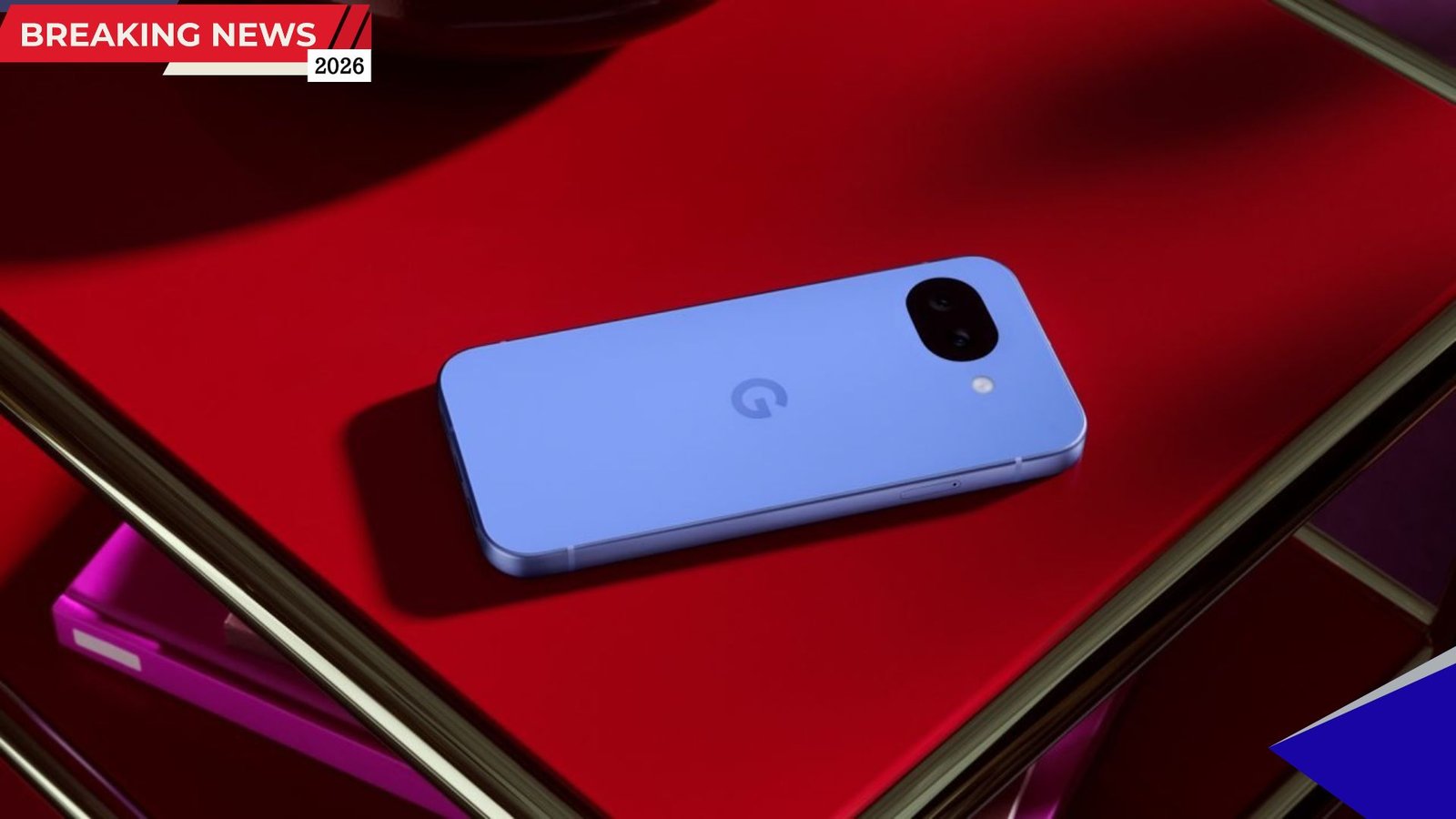
The Google Pixel 10a arrives as the latest addition to Google’s mid-range smartphone lineup, bringing small refinements rather than major changes. The device closely follows the design and performance approach of its predecessor, offering a similar overall experience with a few hardware tweaks and continued focus on AI-powered features.
For users upgrading from older Pixel models, the Pixel 10a may still feel like a meaningful improvement. However, compared to recent flagship devices or even the previous generation Pixel A-series phone, the updates appear limited. The smartphone maintains its familiar layout, software environment, and photography capabilities, while introducing modest upgrades in display brightness, durability, and charging speeds.
Design and Build Quality Remain Largely Unchanged
At first glance, the Google Pixel 10a looks very similar to the earlier Pixel 9a. The phone features a flat design with slightly narrower bezels, although they still appear relatively thick compared to premium Pixel models. The device weighs around 183 grams, making it comfortable for everyday use.
One notable design change is the rear camera arrangement. Unlike previous models that featured a noticeable camera bump, the Pixel 10a’s rear cameras are now flush with the back panel. The matte-finished rear surface has a frosted appearance that resembles glass but is actually made from recycled plastic.
Flat aluminium sides contribute to a solid feel in the hand and are sturdy enough for the device to stand upright on a flat surface. The phone continues to offer IP68 certification for water and dust resistance. Additionally, the screen is protected by Gorilla Glass 7i, which represents an upgrade from the Gorilla Glass 3 used on the earlier generation.
Display Offers Higher Brightness but Similar Specifications
The Google Pixel 10a features a 6.3-inch OLED display with a resolution of 2,424 x 1,080 pixels. The refresh rate can dynamically adjust between 60Hz and 120Hz, providing smoother scrolling and animations when needed.
While most display specifications remain unchanged, peak brightness has been increased to around 3,000 nits, up from approximately 2,700 nits on the previous model. This improvement may enhance outdoor visibility and overall screen clarity in bright environments.
Users can unlock the device using an under-display optical fingerprint sensor or facial recognition. These authentication options help maintain convenience and accessibility in daily usage scenarios.
Google Pixel 10a Display Overview
| Feature | Specification |
|---|---|
| Screen Size | 6.3-inch OLED |
| Resolution | 2,424 x 1,080 pixels |
| Refresh Rate | 60Hz to 120Hz |
| Peak Brightness | 3,000 nits |
| Protection | Gorilla Glass 7i |
Performance Powered by Older Tensor G4 Chip
Unlike earlier Pixel A-series phones that often shared processors with flagship models, the Google Pixel 10a uses the older Tensor G4 chipset instead of the newer Tensor G5 found in higher-end devices. The phone includes 8GB of RAM and 128GB of storage as standard.
Although benchmark tests were reportedly unavailable due to software restrictions before launch, performance is expected to be similar to the Pixel 9a. Estimated Geekbench scores suggest mid-range performance levels, with single-core scores around 1,600 and multi-core scores near 3,800.
In real-world usage, the device remains responsive for everyday tasks such as browsing, messaging, and media consumption. However, users may experience limitations when running graphically demanding games at higher frame rates.
Battery Life and Charging See Small Improvements
The Google Pixel 10a continues to feature a 5,100mAh battery, matching the capacity of its predecessor. Daily usage reportedly leaves more than 50 percent battery remaining by the end of the day, with the device capable of lasting overnight into the next morning.
Charging speeds have been slightly improved. The phone supports up to 30W wired charging, an increase from 23W on the previous generation. Wireless charging has also been enhanced to 10W compared to 7.5W earlier.
However, the device does not include Pixelsnap, Google’s magnetic wireless charging feature. This omission may be viewed as a missed opportunity to expand accessory compatibility and user convenience.
Google Pixel 10a Battery and Charging Details
| Feature | Specification |
|---|---|
| Battery Capacity | 5,100mAh |
| Wired Charging | 30W |
| Wireless Charging | 10W |
| Magnetic Charging | Not supported |
Camera Hardware Remains the Same
Photography capabilities on the Google Pixel 10a are largely unchanged from the previous model. The phone features a 48-megapixel main camera and a 13-megapixel ultra-wide sensor, along with a 13-megapixel front-facing camera.
In daylight conditions, images appear clear with natural color reproduction. Low-light performance is also described as reliable, offering good detail and manageable noise levels. However, the absence of a telephoto lens limits zoom performance, with digital zoom beyond certain levels resulting in reduced clarity.
Despite unchanged hardware, the device benefits from updated AI-powered photography tools. Features such as Camera Coach provide guidance on framing and composition, while Auto Best Take can combine multiple group shots to capture optimal facial expressions.
Pricing and Availability
The Google Pixel 10a is priced at around S$799, maintaining the same launch price as its predecessor. While this pricing keeps the device in the mid-range segment, some comparisons suggest that paying slightly more for higher-end alternatives could provide stronger hardware value.
The smartphone is currently available through online platforms such as Shopee and Lazada. Buyers considering an upgrade may evaluate factors such as performance needs, camera versatility, and AI feature preferences before making a decision.
Conclusion
The Google Pixel 10a delivers a familiar experience with modest improvements in display brightness, durability, and charging speed while continuing to emphasize AI-driven photography features. However, the use of an older processor, unchanged camera hardware, and the absence of magnetic charging functionality suggest that this generation focuses more on refinement than innovation.
For users upgrading from significantly older Pixel devices, the phone may still offer meaningful advantages. At the same time, readers should understand that competing smartphones in a similar price range may provide stronger hardware specifications or additional camera capabilities.
Overall, the Pixel 10a reflects Google’s ongoing strategy of combining practical design, software intelligence, and balanced performance within the mid-range smartphone category.