
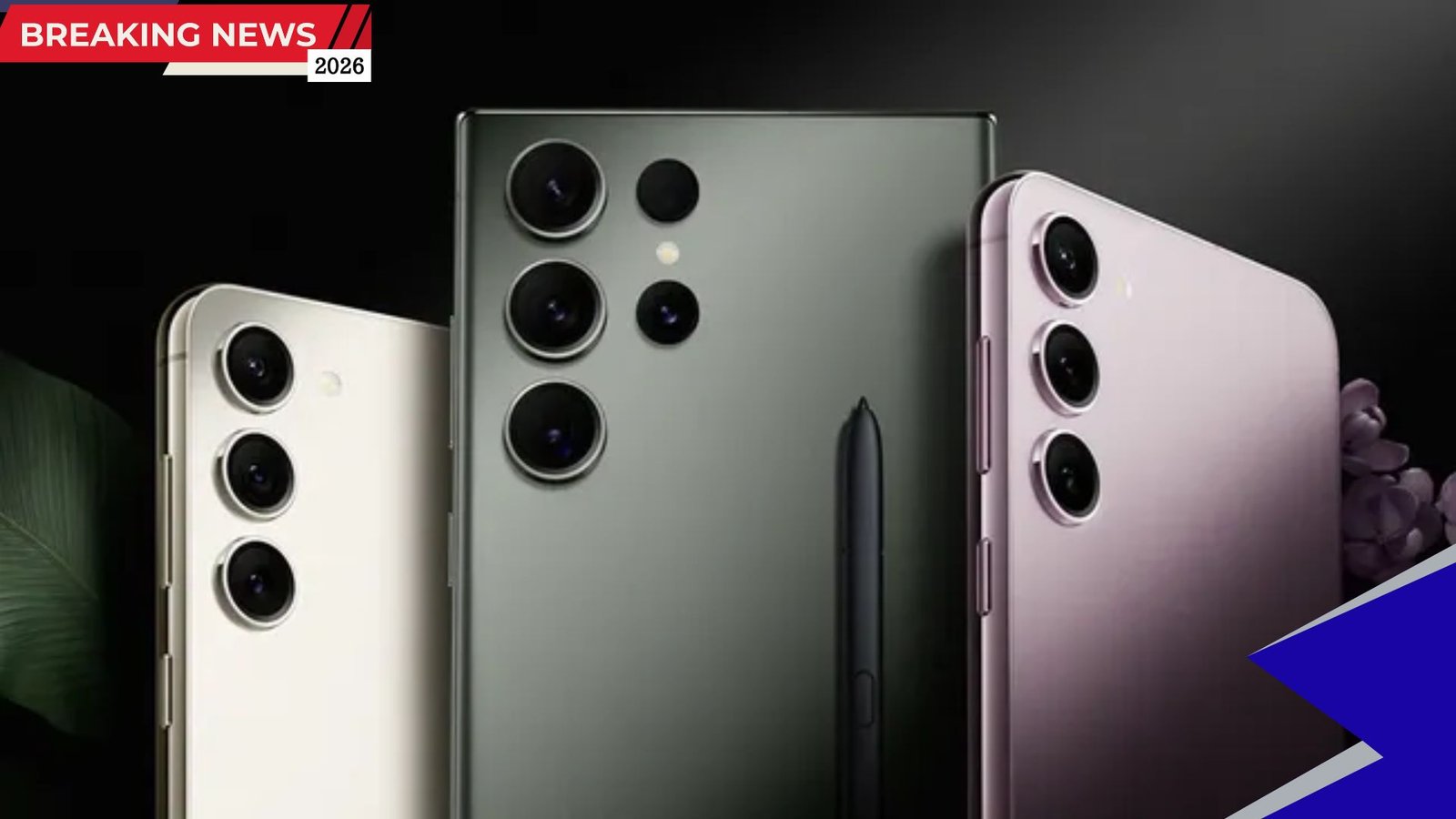
Samsung’s Galaxy smartphones are among the most widely recognised devices in the global mobile market. Often compared directly with Apple’s iPhones, the Galaxy lineup represents the South Korean company’s flagship mobile brand. However, the Galaxy name is not limited to smartphones alone. It also includes tablets, smartwatches, earbuds, and laptops, all positioned under the same product family.
When it comes to smartphones specifically, Samsung offers a wide variety of devices catering to different budgets and user needs. From premium flagship models with advanced features to affordable phones designed for everyday use, the Samsung Galaxy phones lineup covers nearly every segment of the market.
Premium Flagship Devices in the Samsung Galaxy Series
At the top of Samsung’s smartphone range are the Galaxy S series and the Galaxy Z foldable series. These devices represent the company’s most advanced technology, premium design, and highest pricing tiers.
The Galaxy S series is traditionally Samsung’s mainstream flagship lineup. Models like the Samsung Galaxy S23 Series — which includes the Galaxy S23, Galaxy S23 Plus, and Galaxy S23 Ultra — showcase high-end performance, strong camera systems, and refined hardware design. These smartphones are typically positioned to compete directly with the latest flagship devices from rival brands.
Alongside the S series, Samsung has also introduced the Galaxy Z foldable lineup, featuring innovative form factors such as foldable screens. Devices in this category are designed to offer larger displays in compact designs, often targeting users interested in productivity, multitasking, or premium design experiences.
Budget and Mid-Range Options in the Galaxy A Series
While Samsung’s flagship phones receive significant attention, the company also maintains a strong presence in the budget and mid-range segments through its Galaxy A series. These smartphones are designed to deliver reliable performance and modern features at more affordable prices.
The Galaxy A lineup includes multiple models released throughout the year. This strategy allows Samsung to target different price points and respond quickly to changing market demands. By offering frequent updates in this category, the company ensures that buyers looking for value-focused devices still have access to relatively new hardware.
Compared to the flagship Galaxy S and Z devices, A series phones typically feature simpler designs, more modest performance specifications, and fewer advanced camera capabilities. However, they remain an important part of Samsung’s overall smartphone strategy due to their accessibility and wide availability.
Wide Price Range Across Samsung Galaxy Phones
One of the defining characteristics of the Samsung Galaxy phones portfolio is its broad pricing structure. The company offers devices ranging from entry-level smartphones suitable for basic tasks to premium models that rank among the most expensive phones available.
For example, models such as the Galaxy S23 Ultra and the Galaxy Z Fold 4 sit at the higher end of the price spectrum, often featuring advanced displays, powerful processors, and cutting-edge design elements. At the same time, budget-oriented Galaxy A series phones are positioned to attract first-time smartphone users or buyers seeking cost-effective upgrades.
This wide range helps Samsung maintain a strong presence across global markets, appealing to both premium buyers and those prioritising affordability.
Samsung’s Smartphone Launch Cycle Explained
Samsung follows a structured approach when introducing new Galaxy smartphones each year. The company typically refreshes its flagship lines once annually, ensuring that each generation brings noticeable improvements while maintaining a predictable release pattern.
The Galaxy S series is usually the first to receive an update. New models are commonly announced in the early months of the year, often around major industry events such as Mobile World Congress in February or March. This timing allows Samsung to capture early market attention and set the tone for flagship smartphone trends.
Later in the year, Samsung focuses on its foldable lineup. The Galaxy Z series is generally refreshed around August, highlighting the company’s continued investment in flexible display technology and premium innovation.
Meanwhile, updates to the Galaxy A series occur more frequently throughout the year. This ongoing release strategy enables Samsung to maintain momentum in competitive mid-range and budget segments.
How Samsung’s Galaxy Strategy Supports Market Reach
Samsung’s diversified Galaxy lineup reflects a broader strategy aimed at addressing multiple customer needs. By maintaining separate product families with distinct price points and feature sets, the company can cater to users seeking cutting-edge innovation as well as those prioritising value and practicality.
The annual refresh cycle for flagship devices ensures consistent technological progress, while more frequent launches in the mid-range segment help the brand stay competitive. This balanced approach allows Samsung to remain one of the most visible and influential smartphone manufacturers worldwide.
Conclusion: A Comprehensive Smartphone Ecosystem
Samsung’s Galaxy smartphone lineup demonstrates how a single brand can encompass a wide variety of devices across different price tiers and usage scenarios. From premium models in the Samsung Galaxy S23 Series and foldable Galaxy Z range to accessible Galaxy A smartphones, the company offers options suited to diverse consumer preferences.
The structured launch schedule and broad pricing strategy help Samsung maintain strong global relevance. For readers, understanding these categories and release patterns makes it easier to follow upcoming announcements and choose devices that align with their needs and budgets.