
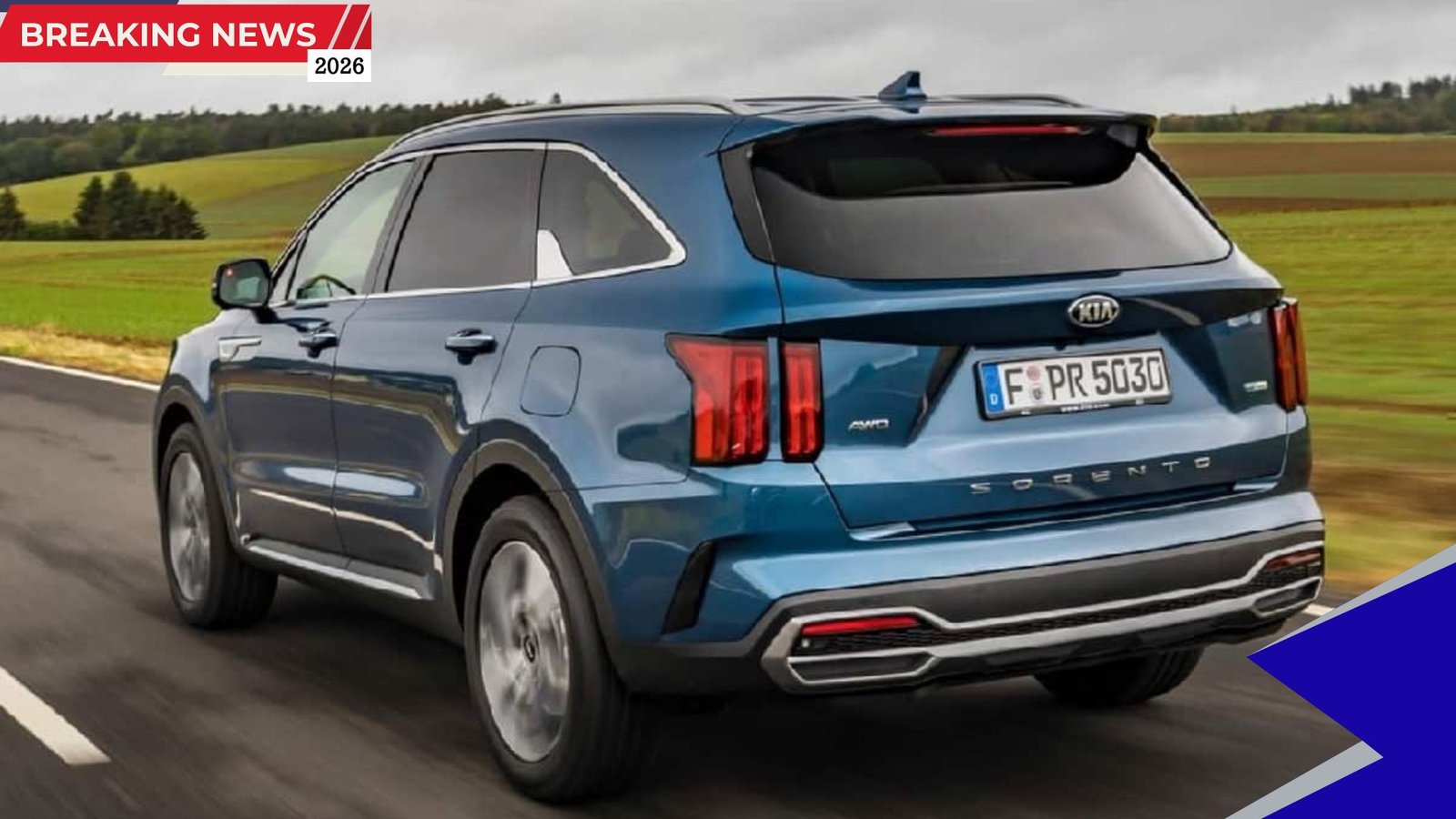
Hyundai and Kia are preparing to strengthen their presence in India’s premium three-row SUV segment with new hybrid models expected to arrive between 2026 and 2027. These upcoming vehicles are designed to offer better fuel efficiency, modern features, and spacious interiors for families looking for practical yet advanced SUVs. The move also reflects the growing demand for electrified vehicles in the Indian market.
Both brands are working on strong hybrid powertrain-equipped SUVs that will compete with established and upcoming rivals in the segment. With increasing competition and evolving buyer expectations, these models are likely to play an important role in shaping the future of seven-seater SUVs in India.
Premium 7-Seater Hybrid SUV Segment Heating Up
The upcoming Hyundai 7-seater hybrid SUV and Kia Sorento-based hybrid SUV will enter a competitive segment where multiple manufacturers are planning electrified offerings. These SUVs are expected to rival models such as the Mahindra XUV 7XO and Tata Safari, along with future hybrid SUVs from Maruti Suzuki, Toyota, Renault, and Nissan.
Although their official launch timelines are still some time away, several key details have already emerged through testing and industry reports. Both Hyundai and Kia are positioning their new vehicles to deliver a balance of performance, efficiency, and premium comfort.
Kia Sorento-Based Hybrid SUV: Key Design and Features
Kia India is expected to introduce its first hybrid offering this year under the codename MQ4i. This SUV will be based on the globally available Sorento and has already been spotted testing on Indian roads. Spy images suggest that the vehicle will feature a strong and upright stance, giving it a commanding road presence.
The test model revealed several distinctive design elements, including vertically stacked LED headlamps combined with a thin strip of LED daytime running lights. Large 19-inch alloy wheels and flush-type door handles are also expected to be part of the final production version. Additional styling details such as silver roof rails and wraparound LED taillamps further enhance the SUV’s premium look.
Unlike the global-spec Sorento, the India-spec test vehicle did not feature a visible radar sensor for advanced driver assistance systems. However, it was equipped with a front camera and front parking sensors, indicating that certain safety technologies may still be included.
Expected Powertrain Options for India
Globally, the Sorento is available with multiple hybrid powertrain choices. These include a 1.6-litre turbo petrol hybrid producing 238 bhp, a 2.2-litre diesel hybrid option, and a plug-in hybrid variant with higher output. However, reports suggest that the India-bound Kia Sorento-based hybrid SUV could use a simpler electrified setup.
The expected engine option is likely to be a 1.5-litre naturally aspirated petrol hybrid powertrain. This configuration may also be introduced in future Kia models, including the next-generation Seltos expected around 2027. The move towards smaller electrified engines could help deliver better fuel efficiency while keeping costs manageable for Indian buyers.
Hyundai Ni1i 7-Seater Hybrid SUV: Positioning and Platform
Hyundai is also developing an all-new three-row hybrid SUV under the codename Ni1i. This model will be positioned above the Alcazar and below the Tucson in the brand’s product lineup. By placing the vehicle between these two existing models, Hyundai aims to offer customers a premium yet practical SUV option.
According to reports, the Hyundai 7-seater hybrid SUV could be based on the long-wheelbase version of the Tucson sold in China. This platform measures approximately 4,630 mm in length, 1,865 mm in width, and 1,665 mm in height, indicating that the SUV will provide generous cabin space for passengers.
Such dimensions suggest that Hyundai is focusing on comfort and interior roominess, which are crucial factors for buyers considering a family-oriented seven-seater vehicle.
Hybrid Technology Strategy in India
Hyundai’s hybrid journey in India is expected to begin with the next-generation Creta, which may become the brand’s first electrified model in the country. Following this launch, the Ni1i SUV is likely to arrive as a larger and more premium offering.
Instead of adopting the global 1.6-litre hybrid powertrain used in the Tucson, the India-bound model may feature an electrified version of the existing 1.5-litre naturally aspirated petrol engine. This approach aligns with the strategy of offering efficient yet cost-effective hybrid systems tailored to local market conditions.
The shift towards hybrid technology reflects the growing importance of fuel efficiency and reduced emissions in India’s automotive landscape. Manufacturers are increasingly focusing on electrified powertrains to meet stricter regulations and customer expectations.
Comparison Overview of Upcoming Hybrid SUVs
| Feature Aspect | Kia Sorento-Based Hybrid SUV | Hyundai Ni1i Hybrid SUV |
|---|---|---|
| Expected Launch | 2026 | 2026–2027 |
| Segment Position | Premium three-row SUV | Above Alcazar, below Tucson |
| Platform Basis | Global Sorento architecture | Likely Tucson LWB-based |
| Engine Expectation | 1.5L petrol hybrid | Electrified 1.5L petrol |
| Key Rivals | XUV 7XO, Tata Safari | XUV 7XO, Tata Safari |
Rising Competition from Multiple Brands
The upcoming hybrid SUVs from Hyundai and Kia will enter a segment that is expected to witness significant expansion. Other automakers such as Maruti Suzuki, Toyota, Renault, and Nissan are also working on new electrified three-row SUVs for India.
This growing competition indicates strong demand for vehicles that combine spacious interiors with improved fuel efficiency. Buyers are increasingly prioritising technology, comfort, and sustainability when choosing family SUVs. As a result, manufacturers are investing heavily in hybrid solutions to stay competitive.
Conclusion: What These Upcoming SUVs Mean for Indian Buyers
The arrival of the Hyundai 7-seater hybrid SUV and Kia Sorento-based hybrid SUV signals an important shift in India’s premium SUV segment. These models are expected to bring hybrid technology into mainstream family vehicles, offering a combination of efficiency, modern design, and practicality.
This development matters because it highlights how global brands are adapting their products specifically for Indian market requirements. With strong competition from existing and upcoming rivals, buyers can expect more choices and improved technology in the coming years.
Going forward, these upcoming launches will play a key role in shaping the future of electrified SUVs in India. For customers planning to purchase a premium seven-seater vehicle, the next few years are likely to offer exciting new options focused on performance, comfort, and sustainability.