
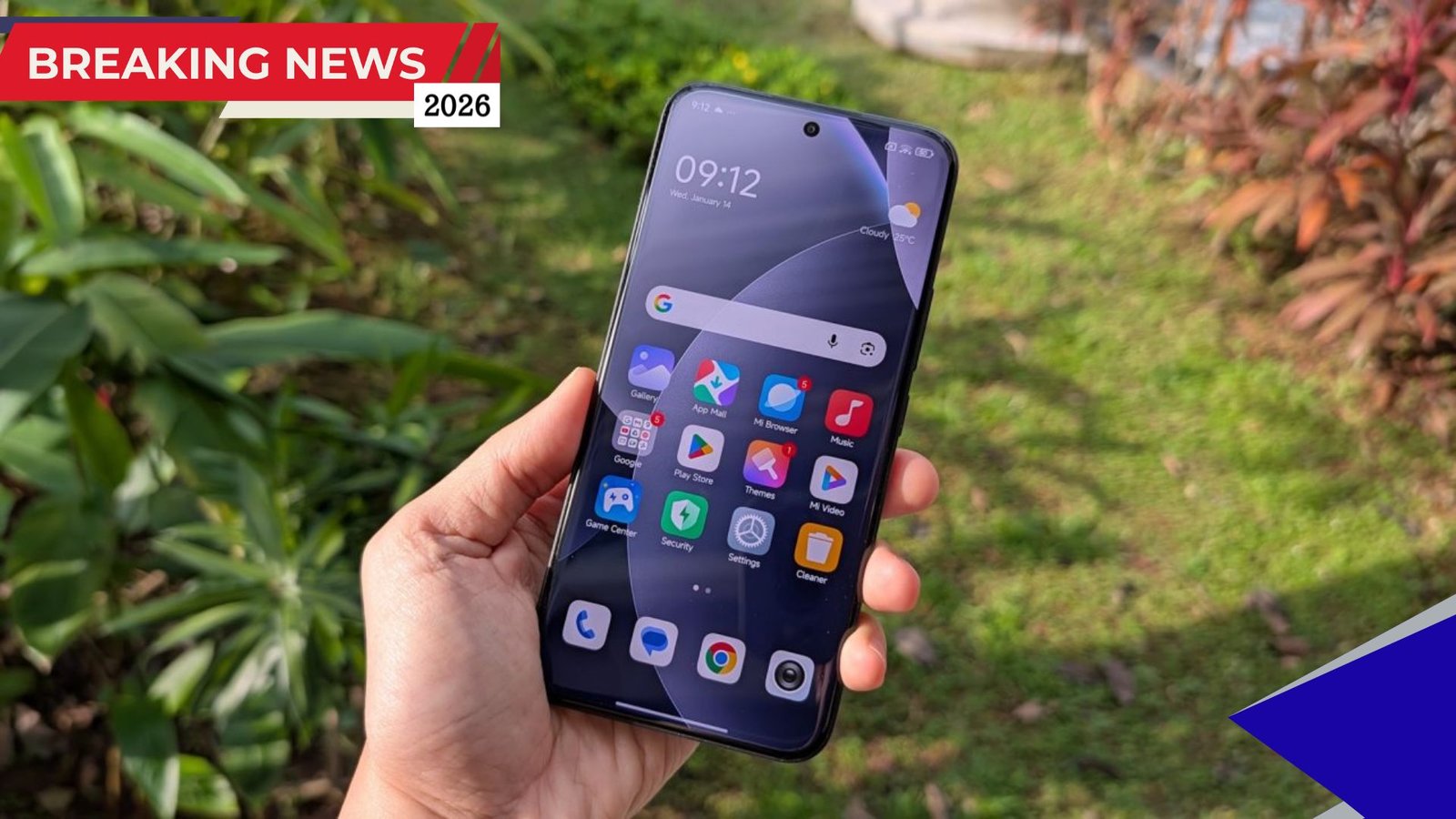
The Redmi Note 15 Pro+ 5G has been introduced as an incremental update over its predecessor, bringing a larger battery, slight design refinements, and modest feature upgrades. While the new model maintains many similarities with last year’s version, it focuses mainly on improving endurance and usability for mid-range smartphone buyers.
The device continues to target users seeking a balanced experience with a large display, capable cameras, and modern features, although some areas such as performance and software updates show limited progress compared to the earlier generation.
Design Remains Familiar with Subtle Improvements
The smartphone retains the distinctive large camera bump at the rear, a design element first introduced in the previous model. However, the camera setup has been slightly revised, shifting to a dual-camera arrangement and removing the earlier macro sensor.
Xiaomi has also followed current smartphone design trends by flattening the sides of the device. While the front and back panels still curve slightly towards the edges, the flatter sides are intended to improve grip and overall handling. The optical fingerprint sensor is positioned lower on the display, which may require some users to stretch their fingers for easier access.
Overall, the design changes are subtle rather than dramatic, maintaining continuity with the previous Redmi Note series styling.
Large AMOLED Display Offers Bright Outdoor Visibility
The Redmi Note 15 Pro+ 5G features a slightly larger 6.83-inch AMOLED display with a resolution of 2772 by 1280 pixels. The screen supports a refresh rate of up to 120Hz, enabling smoother scrolling and gaming performance. In certain situations such as video playback, the refresh rate automatically drops to 60Hz to help conserve battery power.
Peak brightness has been marginally increased from the earlier model, reaching up to 3200 nits. This ensures that the display remains clearly visible even in bright outdoor environments. The screen continues to use Gorilla Glass Victus 2 protection, which helps improve durability against scratches and minor impacts.
Despite improvements, the always-on display feature still requires users to tap the screen to activate it, unlike some newer devices that offer a continuously active display mode.
Camera Setup Delivers Acceptable Mid-Range Results
Photography capabilities remain largely similar to the previous generation. The smartphone includes a 200-megapixel main camera that produces crisp images with balanced colours and relatively low noise levels. However, image detail may feel slightly limited in some conditions.
Zoom performance declines noticeably at higher magnification levels. While 2x zoom remains usable, image quality drops further at 4x zoom. Ultra-wide camera performance is modest, which aligns with expectations for a mid-range device.
The front camera has been upgraded to a 32-megapixel sensor. It delivers acceptable selfie quality with natural skin tones and adequate background blur effects. Low-light photography is considered decent for a phone in this category.
Overall, the camera system offers a practical experience suitable for everyday photography rather than professional-level results.
Performance Shows Minimal Improvement Over Previous Model
The device is powered by the Qualcomm Snapdragon 7s Gen 4 processor paired with 12GB RAM and 512GB storage. Despite using a newer chipset, benchmark scores show only minor gains compared to the previous generation.
The smartphone continues to use UFS 2.2 storage, which may result in slightly slower app loading times and reduced responsiveness compared to devices with faster storage technologies. However, one advantage noted is that the phone runs relatively cool during usage.
While performance remains adequate for daily tasks and moderate gaming, the improvements may not be significant enough for users seeking a noticeable upgrade from earlier models.
Software Experience Includes AI Features but Older Interface
The Redmi Note 15 Pro+ 5G runs on Xiaomi’s HyperOS 2.0 based on Android 15. This version includes multiple artificial intelligence features such as AI Writing tools, AI Translate, and creative image editing functions like object removal and background expansion.
Integration with Google Gemini assistant further adds productivity support. However, the device does not launch with the newer HyperOS 3.0 interface based on Android 16, which may feel like a missed opportunity for buyers expecting the latest software experience.
Pre-installed apps are also present, adding to the software environment. The phone is expected to receive four major operating system upgrades, which supports long-term usability.
Improved Battery Life Becomes the Main Highlight
The biggest upgrade in the Redmi Note 15 Pro+ 5G is its battery capacity. The device now features a 6500mAh battery, an increase from the previous model’s 5110mAh unit. In battery testing scenarios, the smartphone lasted over 11 hours, compared to under 10 hours for its predecessor.
This improvement translates into longer real-world usage, particularly beneficial for users who rely on their devices throughout the day. Charging speed has been slightly reduced from 120W to 100W wired charging, but overall endurance gains may offset this change for many buyers.
Better battery performance is likely to be one of the main reasons users consider upgrading to the new model.
Key Specifications Overview
| Feature | Details |
|---|---|
| Display | 6.83-inch AMOLED, 120Hz refresh rate |
| Processor | Snapdragon 7s Gen 4 |
| Rear Camera | 200MP main, 8MP ultra-wide |
| Front Camera | 32MP |
| Battery | 6500mAh with 100W charging |
| Software | HyperOS 2.0 based on Android 15 |
| Protection | IP69 rating, Gorilla Glass Victus 2 |
This specification set highlights the device’s focus on endurance and multimedia performance.
Conclusion
The Redmi Note 15 Pro+ 5G presents itself as a modest update in the mid-range smartphone category. While the design, cameras, and performance remain largely similar to the previous generation, the larger battery significantly improves usage time.
However, the absence of the latest software interface and only incremental performance gains may influence buyer decisions. With its improved endurance, durable build, and balanced feature set, the device remains a practical option for users seeking a dependable mid-range smartphone experience.